

The Ultimate Bringing a New Dog Home Checklist: A Guide to the First 30 Days
Bringing a new four-legged family member home is one of the most exciting days of your life! However, it can also be a bit overwhelming for both you and your new pup. Whether you’re adopting a rescue or bringing home a brand-new puppy, preparation is the key to a smooth transition.
At The Canine Clubhaus, we want to set you and your dog up for a lifetime of success. To help you navigate those first crucial days, we’ve put together the ultimate bringing a new dog home checklist and decompression guide.
1. Dog-Proof Your Home (Before They Arrive)
Dogs explore the world with their mouths. Before your dog steps a paw inside, walk through your house at eye-level like a dog and put away potential hazards or temptations:
Footwear & Clothing: Put up all shoes (especially leather shoes and sandals/flip-flops) and leather clothing.
Kids' Toys & Collectibles: Ensure small toys and fragile collectibles are well out of reach.
Existing Pet Items: If you have other animals, temporarily put up their chew toys, food bowls, and litter boxes to prevent resource guarding.
2. The Essential New Dog Supply Checklist
Don't wait until the dog is in the car to buy the essentials. Having these ready will keep your first day calm and organized.
Walking Gear
What You Need: 6-foot leash, regular buckle or martingale collar, or a proper-fitting harness (with 2 clips: front and back).
Why It Matters: Ensures safety and control during neighborhood walks.
Comfort
What You Need: Dog bed, crate (if crate training), and baby gates.
Why It Matters: Gives your dog a designated "safe zone" to retreat to.
Food & Bowls
What You Need: Stainless steel or ceramic bowls, and a small bag of their current food.
Why It Matters: Switching food abruptly can cause severe stomach upset.
Sanitation
What You Need: Enzyme cleaner and grooming tools.
Why It Matters: Standard cleaners won't eliminate the scent markers that cause repeat accidents.
Enrichment
What You Need: Safe tug-of-war ropes, deer antlers, and Kong toys.
Why It Matters: Keeps anxious or bored jaws busy on appropriate items.
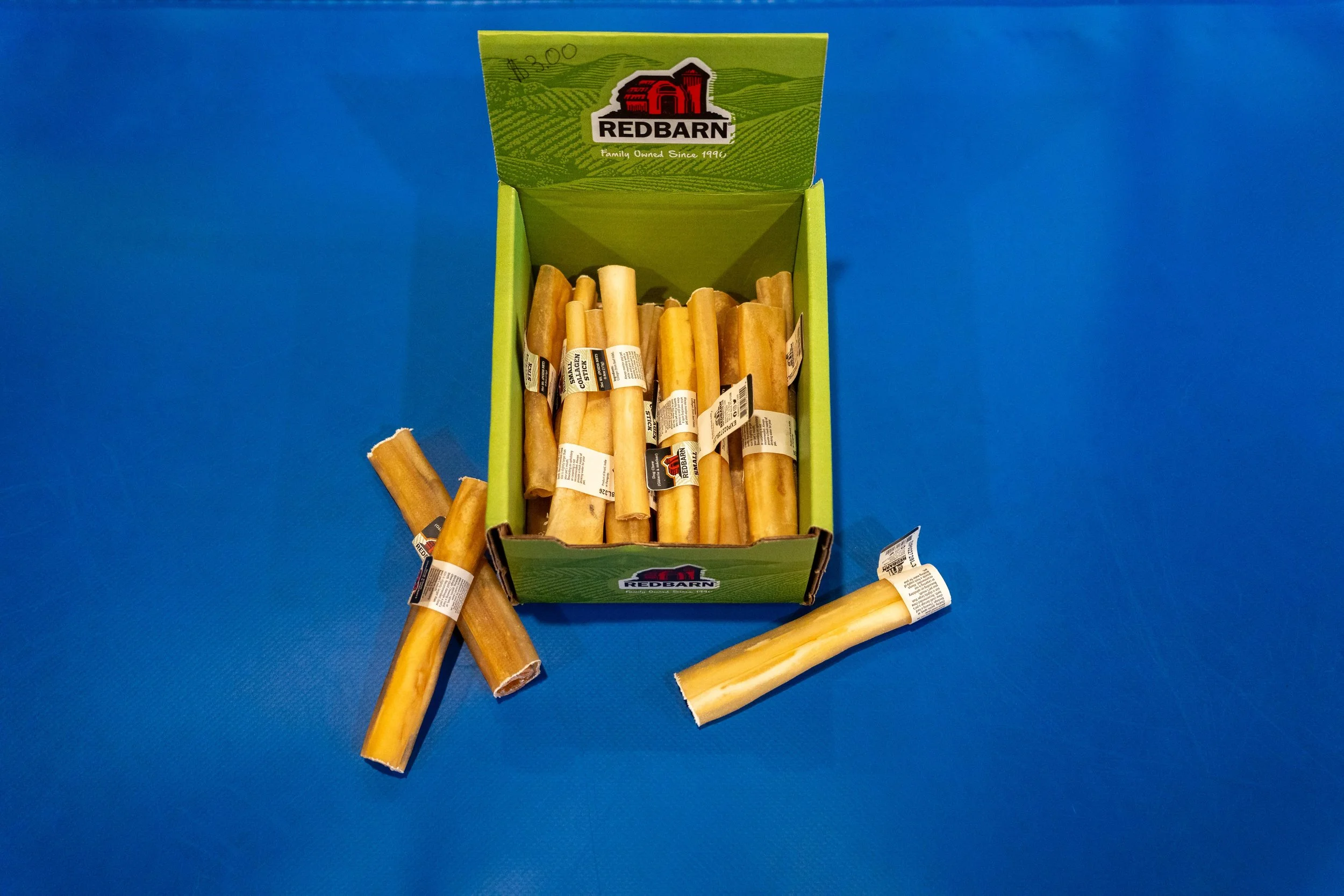

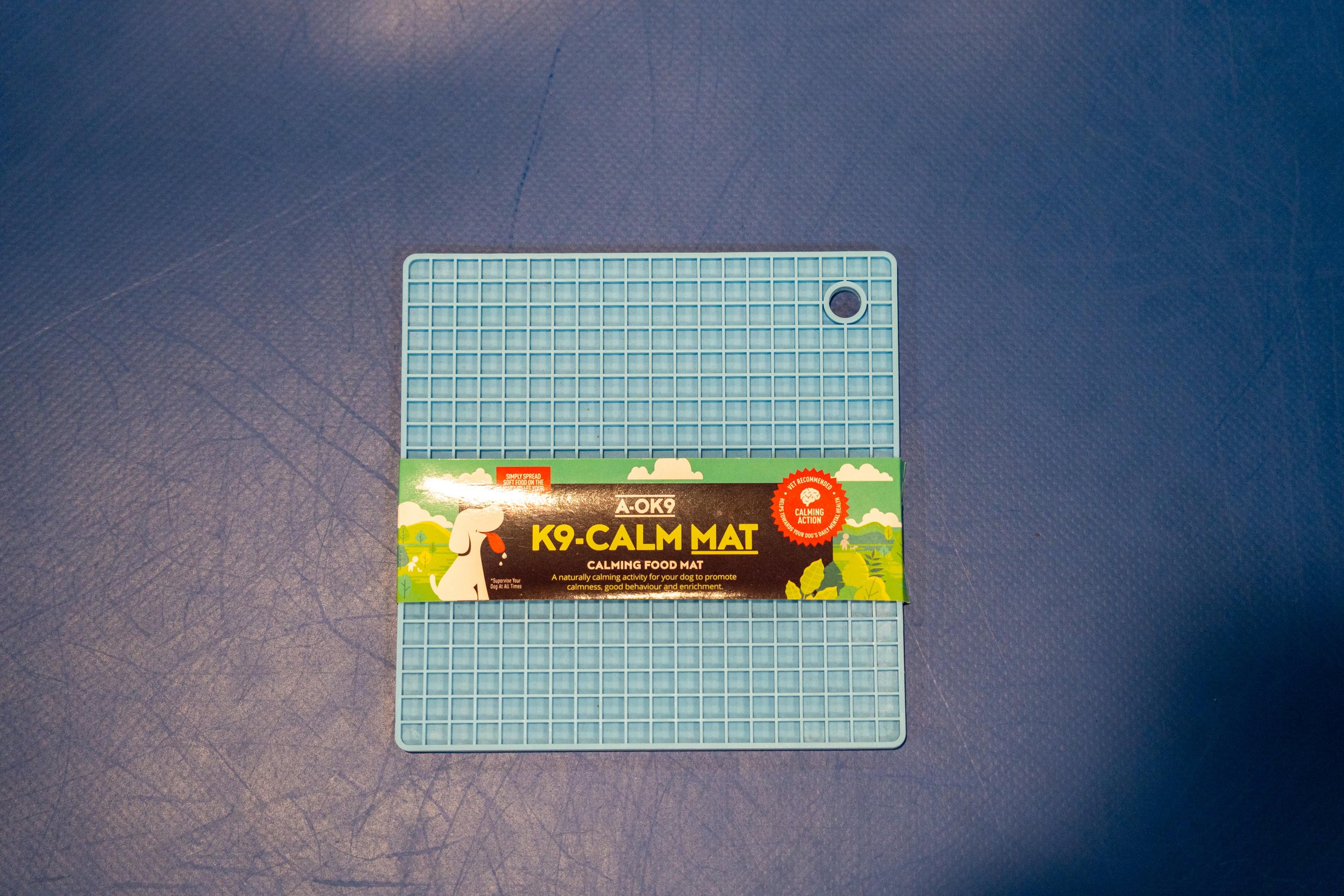

Local Knoxville Tip: Need help picking out the right food? Agri Feed Pet Supply on Middlebrook Pike is an amazing local resource for proper dog nutrition and high-quality supplies!
3. Get the Whole Family on the Same Page
Consistency is the secret ingredient to a well-behaved dog. Before the dog arrives, sit down as a family and establish the ground rules:
The Routine: Who is feeding the dog? When? Where? (We recommend a strict routine of 2x a day for adults, and 3x a day for puppies under 6 months).
The Rules: Where does the dog sleep? Are they allowed on the couch?
Vocabulary: Agree on training cues. If one person says "Down" and another says "Off," the dog will get confused.
The Plan for Accidents: Agree not to punish the dog for potty accidents. Instead, stay positive, clean it up with enzyme cleaner, and commit to more frequent potty breaks.
4. Arrival Day: Step-by-Step Routine
When your dog first arrives, they will likely experience a mix of excitement and anxiety. You might notice pacing, whining, panting, or even loose stools. Don't panic. This is a normal adjustment period that can last anywhere from two days to several months.
Follow this arrival routine to lower their stress:
The Bathroom First: Before going inside, take your dog for a nice walk through your backyard or neighborhood. When they relieve themselves, immediately reward them with a positive cue word (like "Good boy/girl!") and a tasty treat.
The Leashed House Tour: Keep the leash on when you enter the house. Walk them through the home calmly, keeping doors to forbidden rooms closed.
Introduce the Resting Spot: Guide them to their crate or dog bed. Settle them down with a safe toy. Safety note: If their resting spot is a crate, remove their leash and collar before closing the door so they don't get caught.
Hand-Feed the First Meals: Offer small amounts of water and kibble. Better yet, hand-feed your dog their first few meals! This builds an immediate bond, prevents resource guarding, and gives you ample, low-stress training opportunities.
5. Managing Decompression & Anxiety
A new environment is a lot for a dog's nervous system to process. It is highly recommended to take the day off work when you bring your dog home so you can establish a routine.
If your dog seems nervous or stressed, try these proven calming techniques:
Sound Therapy: Play classical music (we highly recommend Through a Dog’s Ear).
Aromatherapy: Spray safe, pure lavender or chamomile essential oils in the room (avoid heavy perfumes).
Calming Gear: Utilize a Thundershirt or a calming pheromone collar.
Distraction: Give them a frozen, food-filled Kong. (Check out my blog, 3 Ways to Use a Kong Dog Toy, for some of my favorite frozen Kong recipes!).
Safe Boundaries: Never leave young or inexperienced children unsupervised with a new dog. Let the dog choose when to approach people, not the other way around. Be your dog's advocate and protect them from interactions that scare them.
6. Going at the Dog's Pace
It's tempting to want to show off your new best friend to neighbors, friends, and extended family right away. Hold off. Let your dog get comfortable with you and their new home first.
When you are ready to venture out, Knoxville is incredibly dog-friendly! Check out Dog Friendly Knoxville for a fantastic list of local spots you can explore together once your dog is fully settled.
Emergency Preparedness: Find a local vet immediately and get an initial checkup scheduled. Program their number into your phone, along with the ASPCA Animal Poison Control Center: 1-(888)-426-4435.
7. When to Leave the House
When you have to leave the house, set your dog up for success. Place them in a safe area—like a secure crate, a safe room, or a hallway blocked off with sturdy baby gates (stack them high if you have a jumper!). Never lock them in a small bathroom with the door fully closed.
Leave them with a frozen Kong or a safe chew toy from our approved Canine Clubhaus Chew List (never use rawhide, as it is a major choking hazard). Keep your departures and arrivals low-key and calm to prevent separation anxiety and jumping behaviors.
Need Help Building Good Manners?
Once your dog is feeling settled and comfortable, it’s time to start thinking about formal obedience training! Using positive reinforcement training is the absolute best way to communicate with your dog, deepen your bond, and ensure you can confidently take them anywhere.
At The Canine Clubhaus, we love involving the whole family in the training process so that everyone remains consistent. Remember, there is no such thing as a stupid question! If you're in the Knoxville area and need guidance, I am always happy to help.
Contact Manuela today to get started!
Phone: 865-287-5804
Email: manuela@thecanineclubhaus.com
Website: thecanineclubhaus.com