

My Dog Won’t Listen to Me: 5 Tips to Help Your Dog Focus
If you’ve ever said, “my dog won’t listen to me,” you’re not alone.
One minute your dog is perfect at home, responding to every command… and the next, you’re outside calling their name while they completely ignore you. It can feel frustrating, confusing, and honestly a little defeating.
But here’s the truth: your dog isn’t trying to ignore you. They’re distracted.
Learning how to get your dog to focus is one of the most important foundations of training. Once your dog can focus on you, everything else, commands, behavior, and communication, starts to fall into place.
Let’s walk through five simple tips that can help.
1. Start in a Low-Distraction Environment
Before expecting your dog to focus outside, you need to build that skill in a calm setting.
Start inside your home where there are fewer distractions. Practice getting your dog’s attention using their name or a simple cue. Once they consistently respond, you can slowly introduce more challenging environments.
Trying to train a distracted dog in a busy park right away is like trying to study in the middle of a concert. Set your dog up for success first.
2. Use High-Value Rewards
Not all treats are created equal.
If you want to improve how to get your dog to focus, you need something that competes with the world around them. Regular kibble may not be enough when there are smells, sounds, and other dogs nearby.
Use high-value treats like small pieces of chicken, cheese, or training-specific rewards. These should be exciting and motivating for your dog.
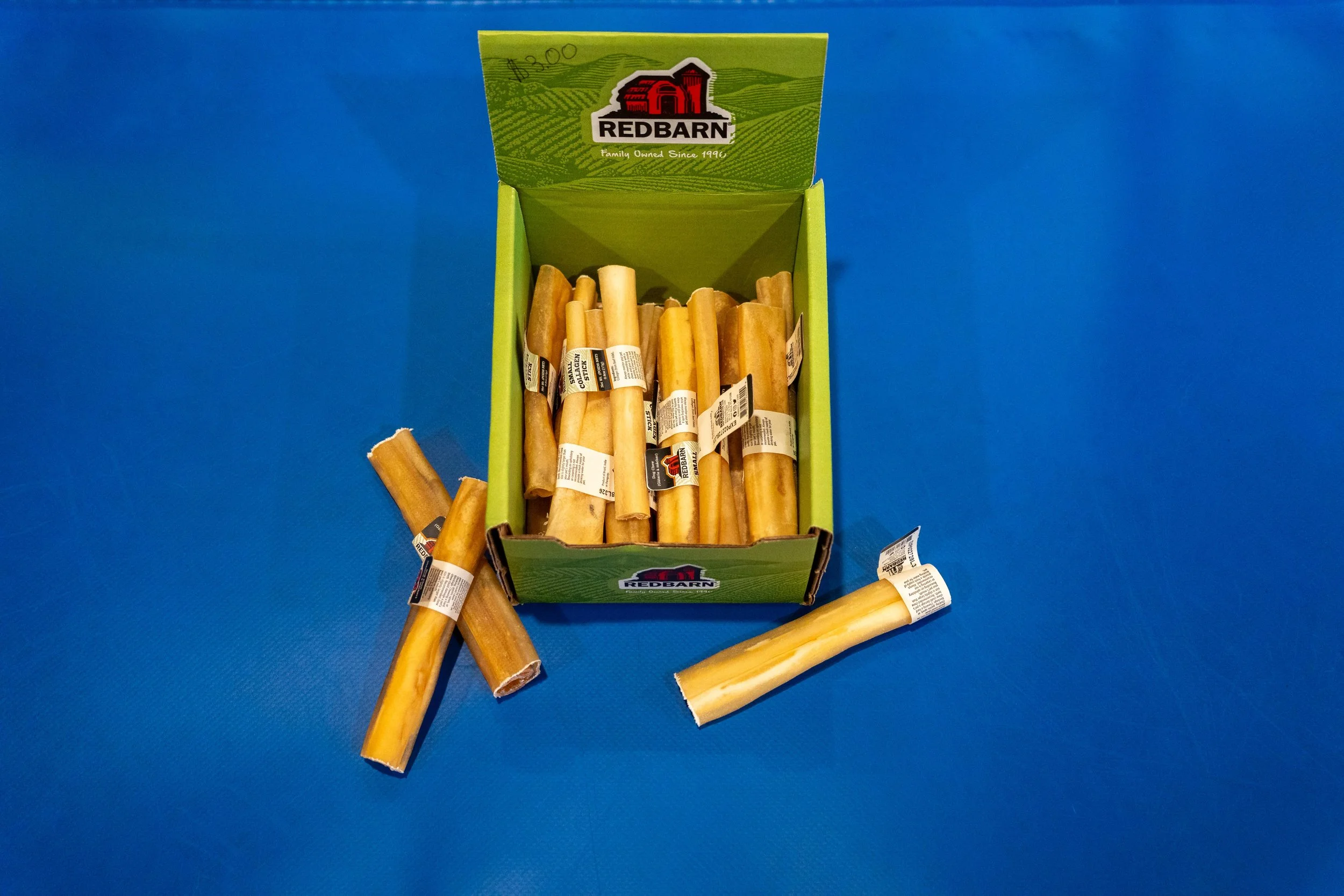
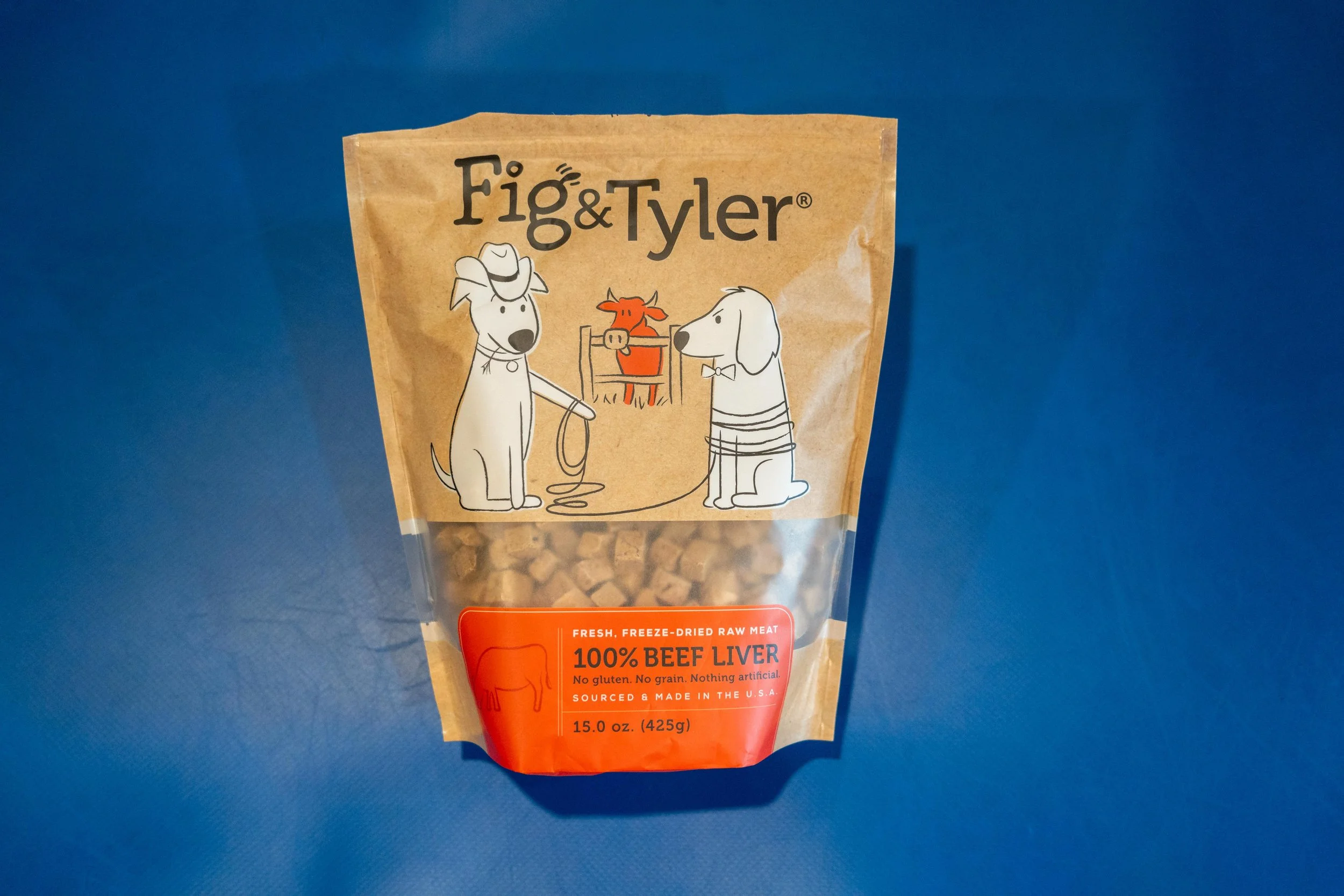
When your dog chooses to focus on you instead of distractions, reward that choice immediately. Here are a few of my favorites!

3. Teach a “Look at Me” Cue
One of the most effective ways to build focus is by teaching your dog to make eye contact on command.
Start by holding a treat near your face. When your dog looks at you, reward them. Pair this behavior with a phrase like “look” or “watch me.”
Over time, your dog will learn that focusing on you leads to something positive. This becomes a powerful tool in distracting environments and strengthens your communication.
4. Keep Training Sessions Short and Positive
Dogs learn best in short, engaging sessions.
If training goes too long, your dog may lose interest or become overwhelmed. Keep sessions around 5–10 minutes and end on a positive note.
Consistency matters more than length. Practicing a little each day will help reinforce how to get your dog to focus without creating frustration for either of you.
5. Gradually Add Distractions
Once your dog can focus in a calm environment, it’s time to level up.
Slowly introduce distractions like practicing in your backyard, then on a quiet street, and eventually in busier areas. If your dog struggles, take a step back and make it easier again.
Building focus is a process. The goal is to help your dog succeed at each level before moving to the next.
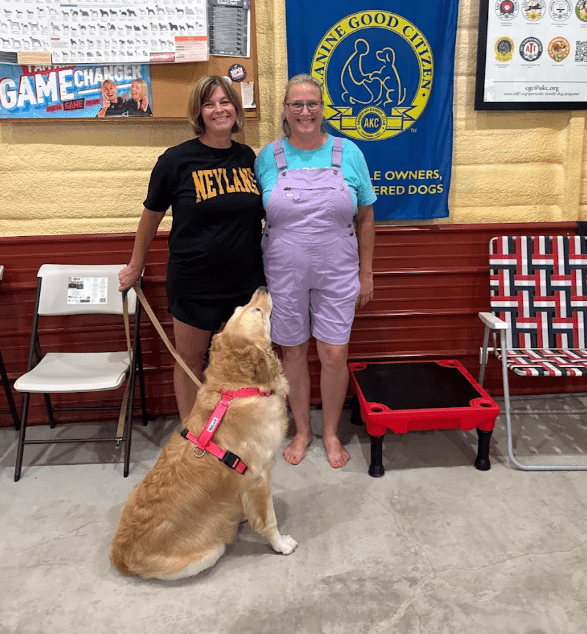
Why Your Dog Isn’t Listening
If your dog won’t listen to you, it’s usually not about stubbornness.
Dogs are naturally curious and easily distracted by their environment. Sights, sounds, and smells can quickly pull their attention away. Without proper training, they simply don’t know that focusing on you is more important.
That’s why building focus first is so important. It creates a strong foundation for everything else you want to teach.
Final Thoughts
If you’ve been feeling frustrated or wondering why your dog isn’t listening, take a step back and look at their ability to focus.
When you understand how to get your dog to focus, you’ll start to see real progress, not just in training, but in your overall relationship.
Your dog isn’t ignoring you. They’re learning. And with a little patience, consistency, and the right approach, you can help them tune into you, no matter what’s happening around them.
If you’re ready to help your dog focus even more, dog training maybe a wonderful option. At The Canine Clubhaus, we help dogs of all skill level, breeds, and ages, with private and group dog training. If you’d like to learn more about our packages, click here.